医
China Med Service
Best doctors, yours
Breaking down language, channel and process barriers in cross-border care — making the best doctors your personal doctors.
300 Grade-A partner hospitals · 3,000+ leading experts · one-stop service across all specialties
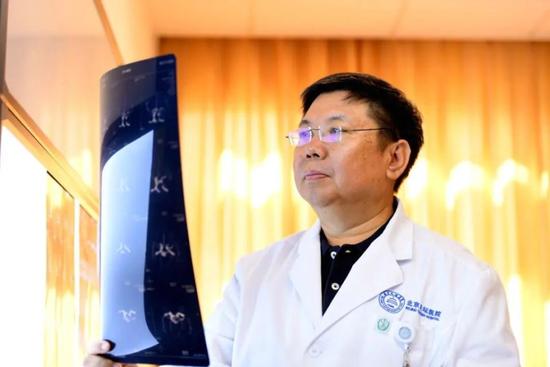
[Expert Profile] Wang Yongjun, Chief Physician, Professor, Doctoral Supervisor, is a leading figure in cerebrovascular disease prevention and control in China. He currently serves as President of Beijing Tiantan Hospital and Director of the National Clinical Research Center for Neurological Diseases. He has achieved a series of internationally influential original results in acute-phase treatment of cerebrovascular diseases, secondary prevention, and neuroimaging, and is an important promoter of stroke prevention and treatment efforts in China.
[Education & Career] Professor Wang Yongjun graduated from a prestigious medical university in his early years, and later spent decades deeply involved in the Department of Neurology at Beijing Tiantan Hospital, Capital Medical University. As a top-tier medical institution in the field of neuroscience in China, Tiantan Hospital provided him with a broad clinical and research platform. He has successively held important domestic and international academic positions such as Vice Chair of the Neurology Branch of the Chinese Medical Association and President of the World Stroke Organization (WSO). He led the establishment of the National Clinical Research Center for Neurological Diseases, promoted the development of a national cerebrovascular disease diagnosis and treatment network and standardized certification of stroke centers, bringing about historic changes in China's stroke emergency care and secondary prevention systems.
[Areas of Expertise] Professor Wang is proficient in the clinical diagnosis and treatment of various cerebrovascular diseases, with particular expertise in early thrombolysis and thrombectomy decision-making for acute ischemic stroke, precise secondary prevention for minor stroke and transient ischemic attack (TIA), and standardized treatment of demyelinating diseases of the nervous system such as multiple sclerosis and neuromyelitis optica spectrum disorders. He has unique insights into stroke etiological classification, risk stratification for high-risk populations, and individualized antithrombotic regimen formulation. He emphasizes the whole-course management philosophy of "prevention is more important than treatment, and treatment values early intervention," helping numerous patients avoid recurrence and improve their prognosis.
[Academic Achievements & Industry Contributions] Professor Wang's most renowned contribution is leading the CHANCE series of studies, which first demonstrated that early dual antiplatelet therapy with clopidogrel plus aspirin in patients with minor stroke and high-risk TIA can significantly reduce the risk of stroke recurrence. This finding was published in the New England Journal of Medicine (NEJM), widely cited by international guidelines, and incorporated into global stroke secondary prevention recommendations, being called "a landmark breakthrough that brought Chinese cerebrovascular research onto the world stage." He has also led multiple national science and technology support programs and major new drug development projects, establishing a nationwide large-scale stroke registry and follow-up database, and promoting the clinical translation of new technologies such as intelligent imaging assessment and tenecteplase ultra-early thrombolysis. The "Tiantan Experience" in stroke prevention and control has become a global model.
[Clinical Practice & Outstanding Contributions] Professor Wang has long worked on the front lines of clinical care, leading his team to treat tens of thousands of cerebrovascular disease patients annually, and successfully performing a large number of highly difficult stroke emergency interventions and complex cerebrovascular interventional treatments. The "stroke green channel" and "national stroke center construction" he promoted have significantly shortened the treatment time for acute stroke patients in China, saving countless lives. He has received multiple national honors including the National Science and Technology Progress Award, as well as numerous international awards in the stroke field, making him one of the most influential Chinese neurologists on the international stage.
[Honors & Reputation] Professor Wang Yongjun serves as Director of the National Clinical Research Center for Neurological Diseases and President of Beijing Tiantan Hospital, Capital Medical University. He has led multiple large-scale clinical studies including CHANCE and TRACE that have rewritten international cerebrovascular disease guidelines. The CHANCE series of findings published in the New England Journal of Medicine has been cited by guidelines in multiple countries worldwide, establishing China's international leading position in cerebrovascular disease prevention and control. He has received multiple national-level awards including the National Science and Technology Progress Award (Second Class), and has been recognized as a National Advanced Worker and recipient of the Chinese Physician Award. Leading his team, he has built a nationwide stroke prevention and treatment network, enabling countless stroke patients to regain health through standardized treatment. He is a cerebrovascular disease expert renowned both domestically and internationally.
|












