医
China Med Service
Best doctors, yours
Breaking down language, channel and process barriers in cross-border care — making the best doctors your personal doctors.
300 Grade-A partner hospitals · 3,000+ leading experts · one-stop service across all specialties
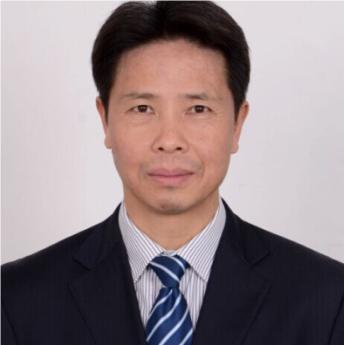
[Expert Profile] Tang Beisha, Chief Physician, Professor, Doctoral Supervisor, is an authoritative expert in neurogenetics in China, working at Xiangya Hospital, Central South University. He has long been dedicated to the clinical and genetic research of hereditary neurological diseases such as spinocerebellar ataxia, Charcot-Marie-Tooth disease, and hereditary spastic paraplegia, and is one of the academic leaders in neurogenetics in China.
[Education & Career] Professor Tang Beisha graduated from Xiangya Medical College (formerly Hunan Medical University), completed systematic training in the Department of Neurology at Xiangya Hospital, and has long been engaged in clinical and research work on difficult neurological diseases and genetic disorders. Xiangya's medical tradition of "seeking truth and accuracy, pursuing depth and specialization" established his rigorous academic style. He has successively presided over national-level projects including key projects of the National Natural Science Foundation of China and the national "863" Program, and has held academic positions such as leader of the Neurogenetics Group of the Neurology Branch of the Chinese Medical Association. He is a scholar of significant influence in the field of neurogenetics in China.
[Areas of Expertise] Professor Tang specializes in the diagnosis and genetic counseling of various hereditary neurological diseases, with particular expertise in genetic subtyping and clinical phenotype studies of spinocerebellar ataxia (SCA), precise diagnosis of Charcot-Marie-Tooth disease (CMT), and differential diagnosis of hereditary spastic paraplegia. He excels at identifying disease causes in difficult genetic patients through detailed family history collection, neurological localization diagnosis, and genetic testing interpretation, and provides reproductive guidance for patient families through genetic counseling, helping them scientifically address genetic risks.
[Academic Achievements & Industry Contributions] Professor Tang has led large-scale genetic research on neurological diseases in Chinese populations, systematically characterizing the gene mutation spectra and clinical features of various hereditary neurological diseases, and has discovered multiple new pathogenic gene loci. His research findings have been published in authoritative domestic and international genetics and neurology journals, providing important basis for precise diagnosis of these diseases. He has actively participated in the development of China's rare disease catalog and diagnosis and treatment guidelines, promoted the standardized application of molecular diagnostic techniques for neurological genetic diseases, and established a nationwide neurogenetics collaborative network, enabling many patients with hereditary difficult diseases that were previously "undiagnosable" to receive clear diagnoses, greatly advancing the field of neurogenetics in China.
[Clinical Practice & Outstanding Contributions] For decades on the clinical front lines, Professor Tang has cumulatively treated tens of thousands of patients with various hereditary and difficult neurological diseases, making significant contributions to identifying the causes of numerous "familial mysterious diseases." He patiently and meticulously draws family pedigrees for patients and traces multi-generational medical histories. His rigorous clinical thinking and profound genetics expertise have earned him the trust of both peers and patients. His PhD and master's students are distributed in neurogenetics departments of major hospitals nationwide, becoming an important force driving the advancement of neurogenetics diagnosis and treatment in China. He has himself been repeatedly recognized as an outstanding science and technology worker by Xiangya Hospital and Hunan Province.
[Honors & Reputation] Professor Tang Beisha has been recognized as a recipient of the National Distinguished Young Scientist Fund and a Young and Middle-Aged Expert with Outstanding Contributions from the Ministry of Health, among other honors. He serves as a standing committee member of the Neurology Branch of the Chinese Medical Association, and has presided over multiple national-level projects including the National Key R&D Program. He has achieved remarkable results in hereditary neuropathy, systematically conducting genetic diagnosis and family studies on spinocerebellar ataxia, Charcot-Marie-Tooth disease, and hereditary spastic paraplegia. He has established a nationwide clinical and genetic database for hereditary neuropathies, and participated in the development of multiple Chinese standards for genetic diagnosis of hereditary diseases. His research findings have been published in international authoritative journals and received multiple science and technology awards. He has trained a large number of neurogenetics talents, helping numerous patients with rare hereditary neuropathies identify their disease causes and receive precise management. He is deeply respected by patients and peers alike.
|












